Griddle vs Grill: What's the Difference?
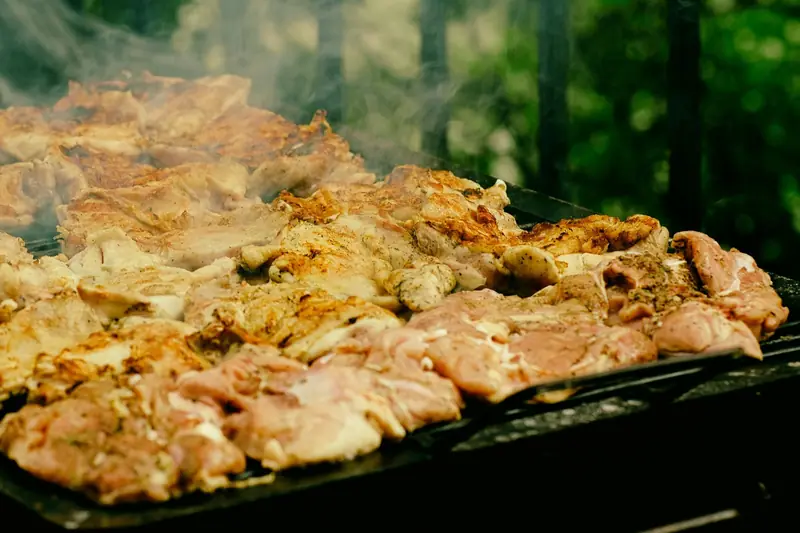
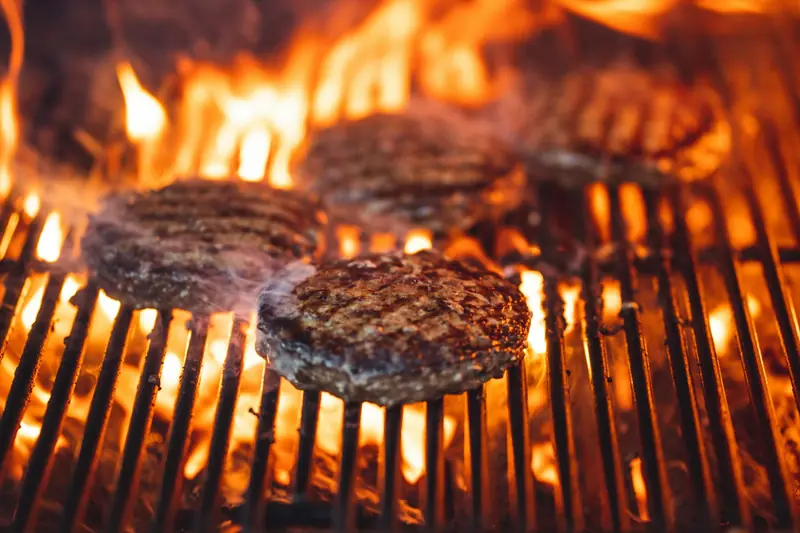
A grill cooks food on open grates over the flame. An outdoor griddle cooks it on a solid steel plate above the flame. That one difference decides which foods each does best, how they handle grease and how you clean them.
Griddle: the better choice if…
- You cook breakfast, smash burgers, stir-fries or anything small.
- You feed a crowd and want everything ready at once.
- You like a cooktop you can season like cast iron.
Grill: the better choice if…
- You want grill marks, char and a smoky edge.
- You cook thick steaks, whole chickens or ribs.
- You want to cook with the lid down for indirect heat.
Jump to section
At a glance
| Point | Griddle | Grill |
|---|---|---|
| Cooking surface | Solid steel plate | Open grates over flame |
| Best foods | Eggs, pancakes, smash burgers, fried rice, vegetables | Steaks, chops, chicken, ribs, corn |
| Heat zones | One zone per burner across the plate | Direct and indirect zones, lid down |
| Grease | Runs to a rear or front trap | Drips through to a tray |
| Care | Season the steel; scrape after cooking | Preheat, then brush the grates |
| Lid | Optional on many models | Standard |
Foods each does best
The griddle wins for anything that would fall through grates or needs full contact: eggs, pancakes, smash burgers, fried rice, sliced vegetables. The grill wins for thick cuts, char and anything you want to cook with the lid closed. Whatever you cook, use a thermometer: 160°F for ground beef and pork, 165°F for poultry (FoodSafety.gov).
Heat zones
On a griddle, each burner heats its own strip of the plate, so a four-burner model can run hot on one side and warm on the other. A grill does the same with burners or coals, and adds indirect cooking: food beside the heat with the lid down.
Grease management
A griddle keeps grease on the plate until you push it to the trap, which means more grease to manage. NFPA lists removing grease and fat buildup from grills and trays as a fire-prevention step (NFPA via ANSI), so empty the cup after every cook on either.
Cleaning and seasoning
Most griddle plates are carbon steel that you season with oil, scrape while warm and oil again before storing. Grill grates clean best hot: Weber's routine is to preheat on high for 10 to 15 minutes and brush the grates (Weber). If you use a brush, check for loose wire bristles before cooking (CDC MMWR).
Footprint
Cart griddles and cart grills take similar space; tabletop griddles are smaller and easy to carry. Whichever you choose, it needs the same clearance as any gas grill: well away from the house, railings, eaves and branches (NFPA via ANSI).
Can one replace the other?
Partly. A griddle covers most weeknight cooking and some grill jobs, but it cannot do lid-down indirect cooking or real char. A grill cannot do eggs or fried rice without an add-on plate. Many cooks start with the one that matches most of their meals and add the other later.
Which should you buy?
If your cooking is mostly breakfasts, burgers and quick meals for a crowd, start with a griddle. If it is steaks, chicken and lid-down cooking, start with a gas grill or a charcoal grill.
Alternatives
For high-heat cooking of a different kind, an outdoor pizza oven does what neither can.
FAQ
Is a griddle healthier than a grill?
Neither is automatically healthier; it depends on what you cook and how much oil you use. Food safety is the same on both: cook to the safe internal temperature and check with a thermometer.
Can I put a griddle plate on my grill?
Many makers sell griddle inserts for their grills. Check that the plate is approved for your model in the manual.
Do griddles need a propane leak test too?
Yes. Use the soap-and-water test on the hose and connections before the first cook each year (NFPA via CT.gov).
Related
-
Buying guide
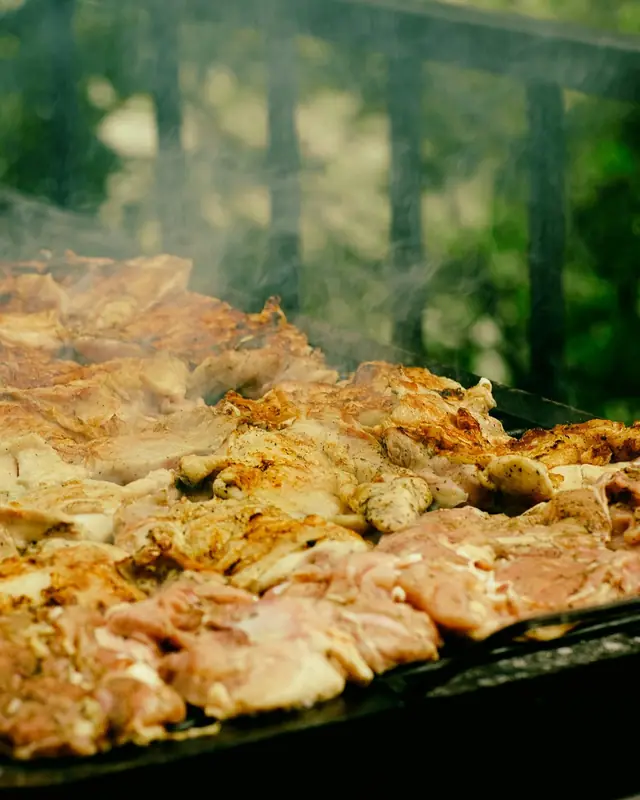
Best Outdoor Griddles and Flat Tops
Cooktop size, burners, grease systems and lids for outdoor flat tops.
-
Buying guide
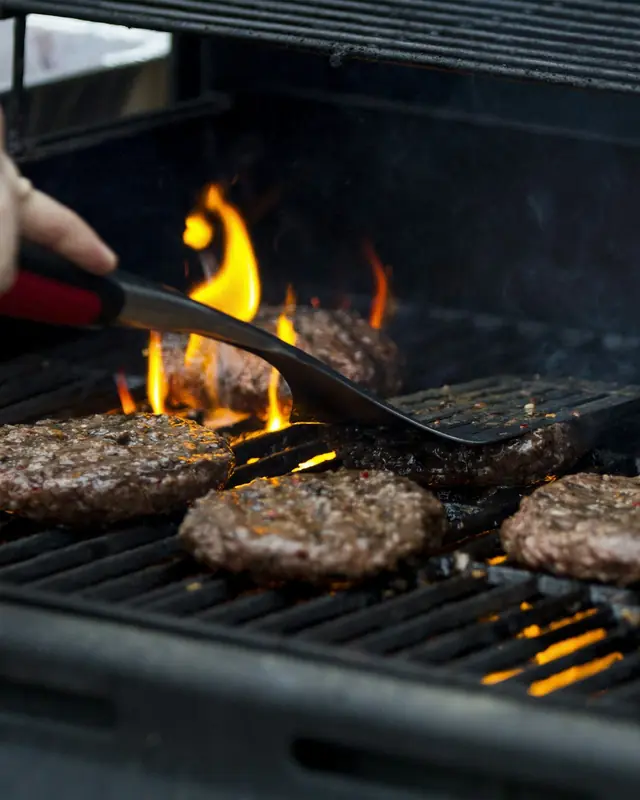
Best Gas Grills
Burners, cooking area, grates and warranty for propane and natural gas grills.
-
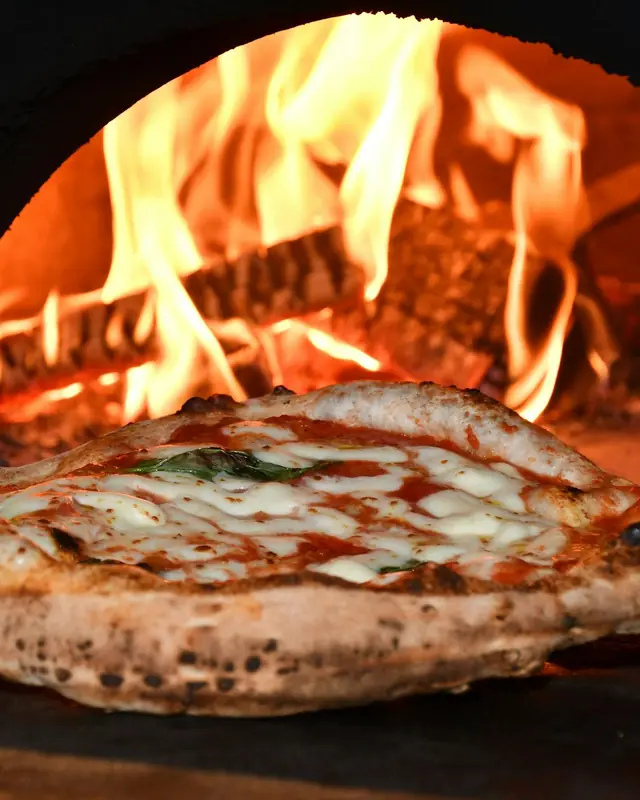
Buying guide
Best Outdoor Pizza Ovens
Gas, wood, pellet and multi-fuel ovens compared on heat, stone size and weight.
-
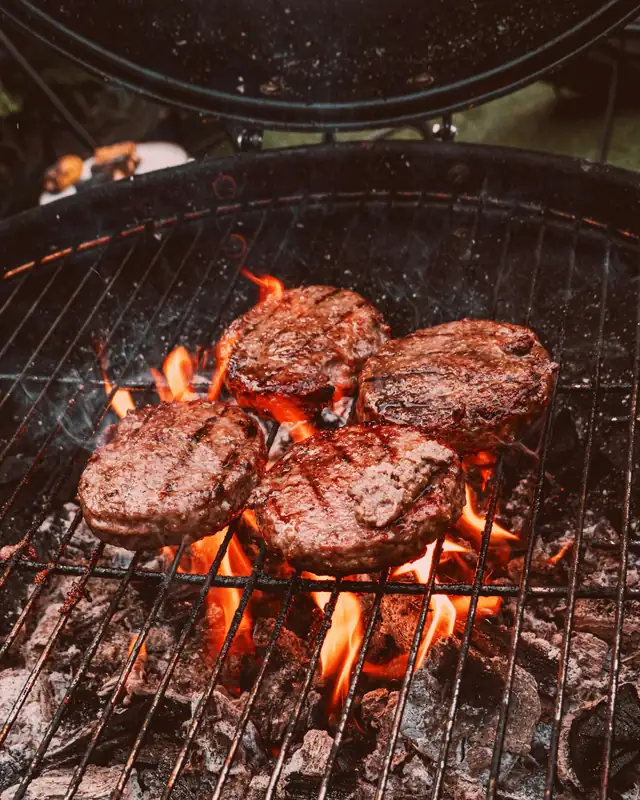
Buying guide
Best Charcoal Grills (Kettles and Kamados)
Kettles and kamados compared on airflow, ash handling, size and weight.
-
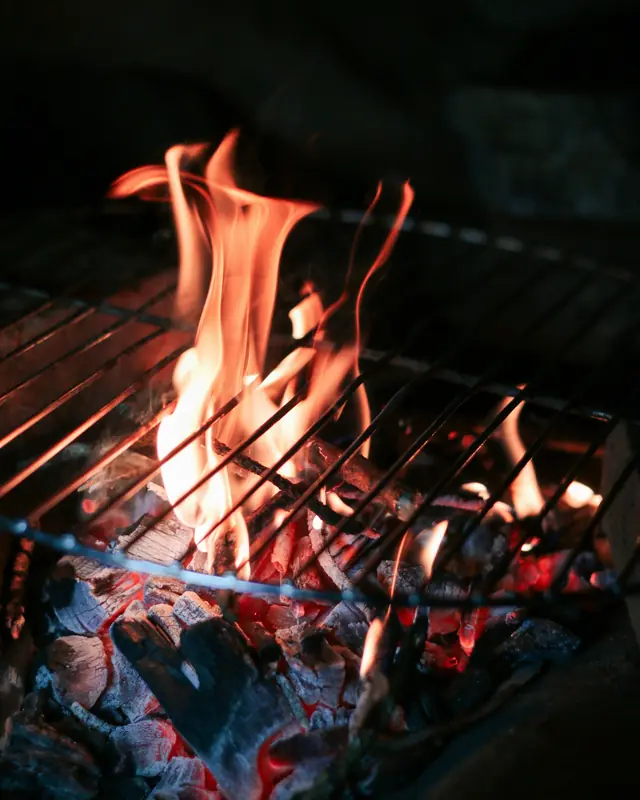
Guide
How to Clean a Grill Without the Wire-Bristle Risk
A safer way to clean grates, plus grease care and a simple schedule.

Get the Grill-Side Card
A printable card with the USDA safe temperatures and an 8-point pre-cook safety check. It costs nothing and is sized to stick on the fridge.