
Best Outdoor Pizza Ovens
An outdoor pizza oven reaches temperatures a home oven cannot, which is what gives pizza a blistered, airy crust in very little time. The choices are fuel, how hot and how fast it heats (as the maker states it), the size of the stone and whether it travels. This guide is for cooks adding a pizza oven to the patio, and treats it like any other live-fire appliance.
Jump to section
What we look for
Fuel
gas is the easiest to control; wood and pellets add flavor and work; multi-fuel gives you both.
Maximum temperature and heat-up time
the hotter and faster the oven, the closer you get to a Neapolitan-style crust.
Stone size and pizza size
the stone sets the largest pizza you can launch and turn.
Portability
small ovens travel to parks and campsites; larger ones stay on the patio.
Door and insulation
a door and good insulation hold heat between pizzas and help in cooler weather.
Included accessories
a peel and a cover are the basics; included ones save a second order.
- Sources: manufacturer product pages, manuals and warranty terms, plus NFPA and Massachusetts guidance on placement, leak checks and ash disposal.
How to choose the right outdoor pizza oven
Fuel first, then size and portability. If you mostly want flat-top cooking, compare our outdoor griddle picks.
Fuel
Gas ovens light with a knob and hold a steady flame. Wood and pellet ovens need feeding during the cook. Multi-fuel ovens come with a gas burner and a wood or pellet tray, sometimes sold separately, so check what is in the box. Wood and pellet ovens leave ash, which NFPA says to cool completely and keep in a metal container (NFPA via ANSI); gas ovens need the same leak test as a gas grill, so count that routine into your choice.
Maximum temperature and heat-up time
Both figures are maker-stated and measured in the maker's conditions, so compare them as claims, not results. Wind and cold weather slow heat-up. Our table lists them exactly as the listing gives them. Because both figures are maker-stated, they compare ovens from the same maker better than they compare across makers; read how each maker defines them.
Stone size and pizza size
Compare stone size and the maker's maximum pizza size. A bigger stone also gives you room to turn the pizza near the flame. Check the oven opening as well as the stone: a pizza wider than the opening is hard to turn, so look for the maker's maximum pizza size.
Portability
Check the listed weight, folding legs and whether a carry cover is included. Wherever you cook, place it like a grill: outdoors only, away from the house, railings, eaves and branches, with kids and pets 3 feet back (NFPA via ANSI).
Door and insulation
Look at the oven body and whether a door is included or sold separately. Read the manual's clearance instructions for the surface you will put it on. Massachusetts sets a 10-foot rule for grills unless the maker allows closer (Mass.gov); for an oven, the manual's clearance numbers are the ones to follow, and your local code may add its own.
Included accessories
Check whether the oven ships with a peel, a cover, a fuel tray or a thermometer. Accessories sold separately can add up. Ask whether a replacement stone, a fuel tray or a gas adapter is sold separately, since the oven may not include everything you need.
Tips for using your outdoor pizza oven
- For gas ovens, run the same soap-and-water leak test as on a gas grill (NFPA via CT.gov).
- Let wood or pellet ash cool completely and store it in a metal container with a lid (NFPA via CT.gov).
- Never leave a lit oven unattended (NFPA via ANSI).
- Keep children and pets 3 feet back while the oven is lit (NFPA via ANSI).
FAQ
Where can I use an outdoor pizza oven?
Keep it outdoors and treat it like a grill: well away from the house, railings, eaves and branches, with children and pets 3 feet back (NFPA via ANSI).
Can I use it on a wooden deck?
Follow the maker's clearance instructions. As a reference point, Massachusetts asks for 10 feet between a grill and a building unless the maker allows less, and local code may add its own rules (Mass.gov).
How do I check a gas pizza oven for leaks?
Use the same soapy-water test as on a gas grill: brush it on the hose and connections, and bubbles mean a leak (NFPA via CT.gov).
How do I dispose of wood or pellet ash?
Let the ash cool all the way before you move it, then keep it in a metal container with a lid (NFPA via CT.gov).
Related
-
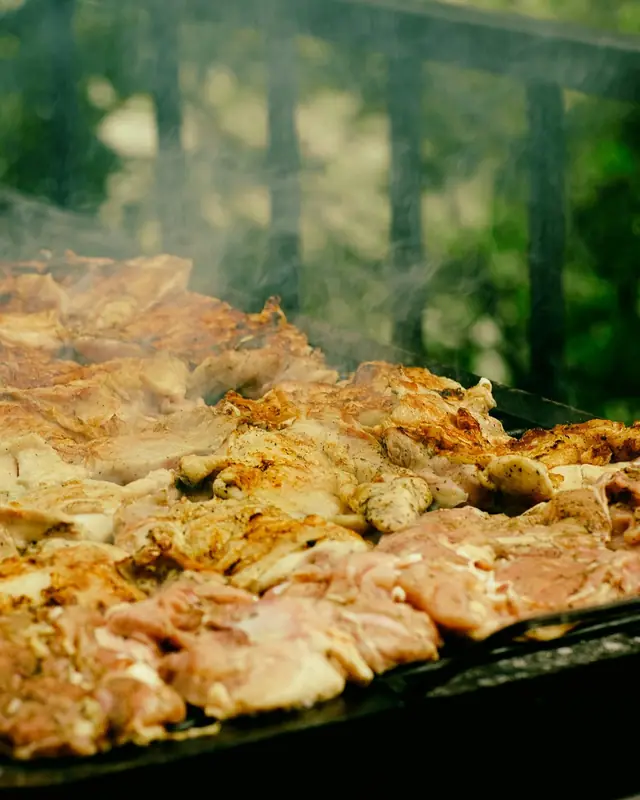
Buying guide
Best Outdoor Griddles and Flat Tops
Cooktop size, burners, grease systems and lids for outdoor flat tops.
-
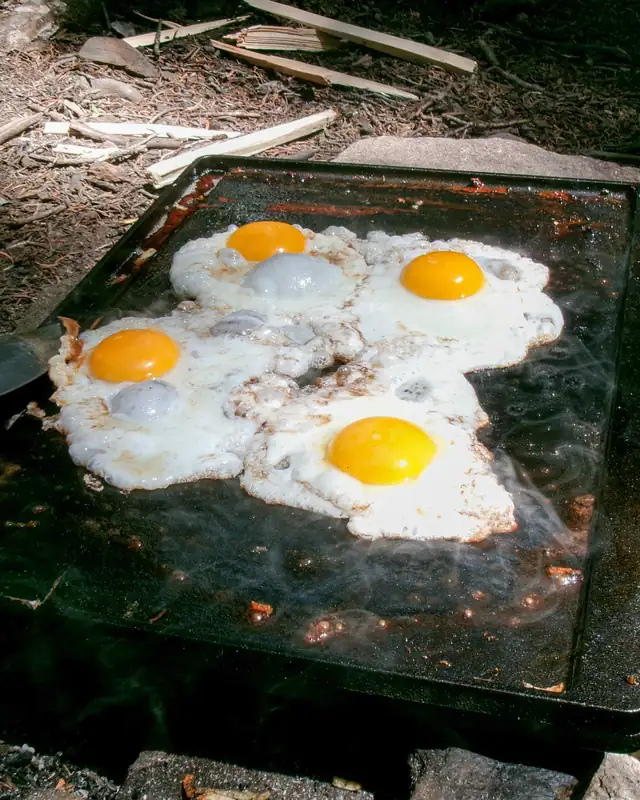
Comparison
Griddle vs Grill: What's the Difference?
Flat steel or open grates: which foods each does best, and whether you need both.
-
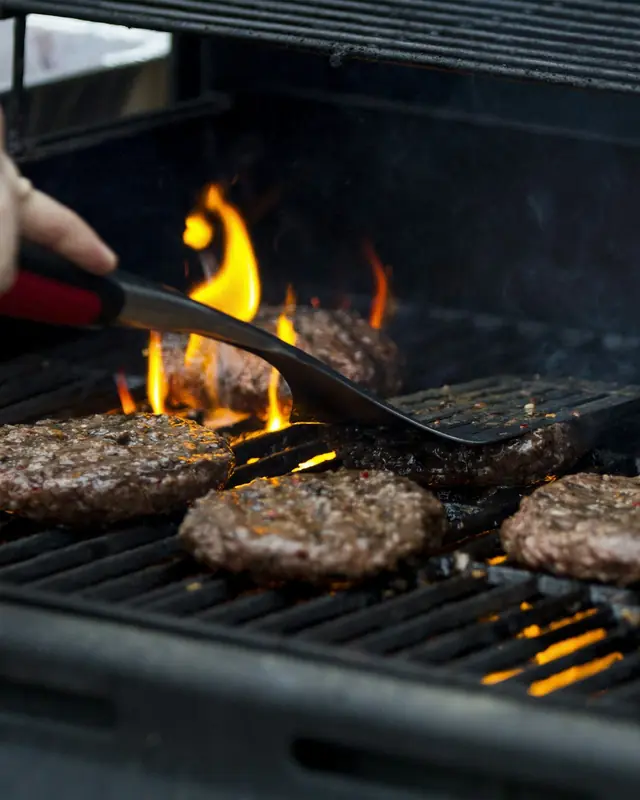
Buying guide
Best Gas Grills
Burners, cooking area, grates and warranty for propane and natural gas grills.
-
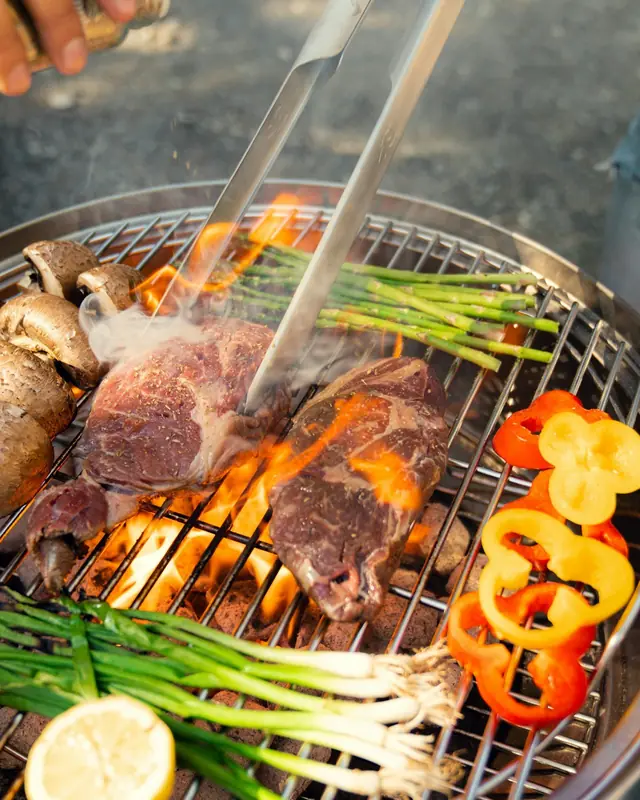
Buying guide
Best Portable Grills for Tailgating and Camping
Weight, fuel type, cooking area and setup for tailgate and camp grills.
-
Guide
Grill Safety: Placement, Propane Checks and Charcoal Rules
Placement, the propane leak test, charcoal rules and carbon monoxide.


Get the Grill-Side Card
A printable card with the USDA safe temperatures and an 8-point pre-cook safety check. It costs nothing and is sized to stick on the fridge.