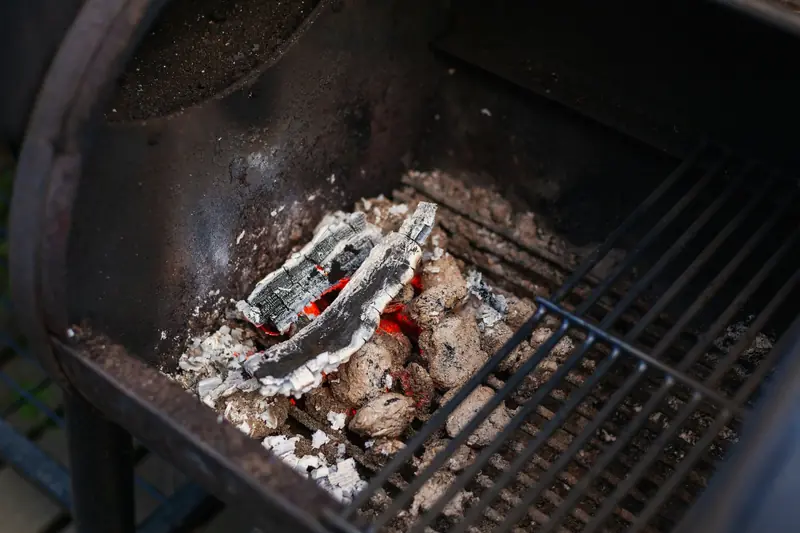
Best Smokers for Every Budget
Every smoker does the same job: hold the air at a low, steady temperature for hours while wood smoke flavors the food. They differ in how much attention that takes. Electric and pellet smokers mostly run themselves; offsets and charcoal verticals reward a cook who likes managing a fire. This guide helps first-time smoker buyers match the type to their patience.
What we look for
Smoker type
type decides how much tending a cook needs: electric and pellet run themselves, offsets and charcoal verticals need a fire minder.
Temperature stability
USDA advises keeping smoker air at 225 to 300°F for the whole cook (USDA FSIS); seals and controls decide how easily you can.
Capacity
racks and cooking area decide whether a brisket, ribs and a chicken can share a cook.
Fuel convenience
how you feed the fire matters more on a long cook than on a burger night.
Water pan and drip management
a water-filled drip pan catches fat and helps prevent flare-ups.
Food-safe build
materials that touch food or smoke must be made for it.
- Sources: manufacturer product pages, manuals and warranty terms, plus the USDA FSIS smoking guidance.
How to choose the right smoker
Pick the type first, then compare within it. If a pellet grill is on your list, our pellet grill guide goes deeper. Our beginner's guide to how to smoke meat covers the cook itself.
Smoker type
Electric smokers plug in and hold a set temperature. Pellet grills do the same with wood pellets and can also grill. Charcoal vertical (bullet) smokers are compact and simple but need vent adjustments. Offset smokers burn wood or charcoal in a side firebox and need the most attention. If you are new, start with the type that matches how you want to spend the afternoon. Fuel matters too: FSIS names hickory, apple or maple chips or flakes as giving the most satisfactory smoke flavor (USDA FSIS), so check which wood or fuel the smoker is built to burn.
Temperature stability
USDA FSIS advises keeping the smoker's air temperature between 225 and 300°F throughout, for cooks that take about 4 to 8 hours (USDA FSIS). Doors and lids that seal well, and vents that adjust precisely, make that window easier to hold. Check the listed temperature range for electric and pellet models.
Capacity
Vertical smokers stack food on several racks; offsets spread it across one long grate. Compare total cooking area and rack count, then check whether the racks are spaced tall enough for a whole bird or a pork shoulder. Leave room around the food so air and smoke can move, and read how many racks the maker lists before you assume a full load will fit.
Fuel convenience
FSIS gives a rule of thumb for charcoal smokers: about 15 briquettes an hour after the first load (USDA FSIS). Electric smokers need an outlet; pellet grills need both an outlet and a full hopper. Choose the refill routine you will actually keep up overnight.
Water pan and drip management
FSIS recommends keeping a water-filled drip pan in the smoker to catch fat and prevent flare-ups (USDA FSIS). Check whether one is included and how easy it is to reach and refill during a cook.
Food-safe build
FSIS warns against makeshift smokers such as galvanized steel cans, which can contaminate food with chemical residue (USDA FSIS). Buy a smoker made for cooking and check the materials listed for the body, racks and water pan.
Tips for using your smoker
- Use two thermometers: one in the food and one for the smoker's air temperature (USDA FSIS). A wireless thermometer with an ambient probe covers both.
- Thaw meat completely in the refrigerator before it goes in the smoker; thawing in the smoker keeps it in the 40 to 140°F danger zone too long (USDA FSIS).
- Refrigerate leftovers within 2 hours of taking food off the smoker (USDA FSIS).
- Brush sauce on only in the last 15 to 30 minutes of the cook, so it does not burn (USDA FSIS).
- Marinate in the refrigerator, and do not reuse a raw-meat marinade on cooked food unless you boil it first (USDA FSIS).
FAQ
What temperature should I smoke at?
FSIS puts the air inside the smoker between 225 and 300°F for the entire cook, which lasts about 4 to 8 hours (USDA FSIS).
How many thermometers do I need?
Two: a probe in the food and a second one that reads the air in the smoker. Plenty of smokers already include the second (USDA FSIS).
Which wood gives the best flavor?
For the most satisfactory smoke flavor, FSIS recommends chips or flakes of hickory, apple or maple (USDA FSIS).
Can I make a smoker from a metal can?
No. FSIS cautions against makeshift containers such as galvanized steel cans, because chemical residue can end up in the food (USDA FSIS).
Related
-
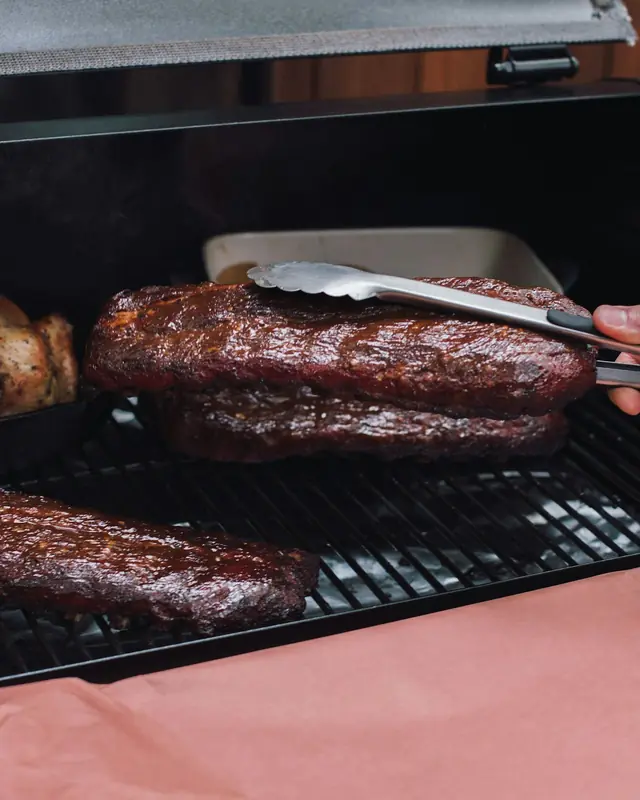
Buying guide
Best Pellet Grills
Controller type, cooking area, hopper size and searing heat, side by side.
-
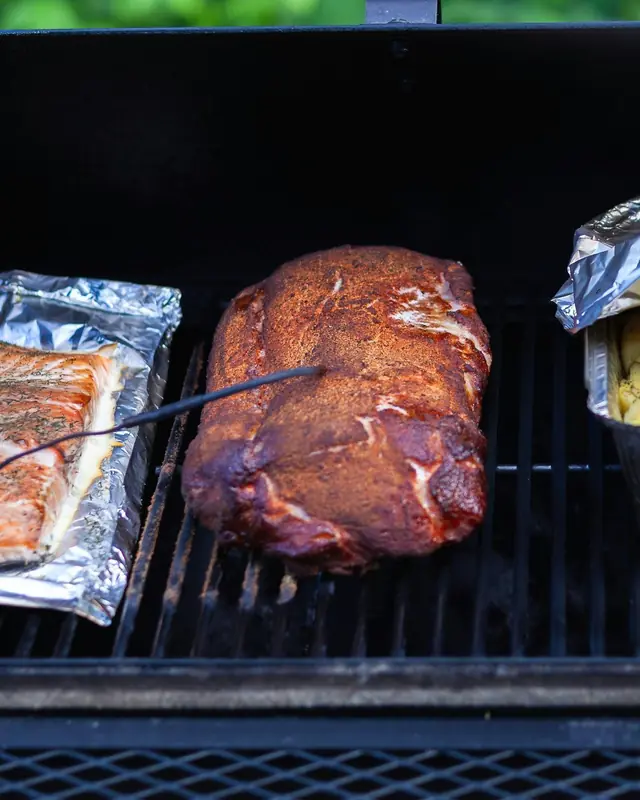
Buying guide
Best Wireless and Bluetooth Meat Thermometers
Leave-in probes compared on range, probe count, ambient sensors and battery.
-
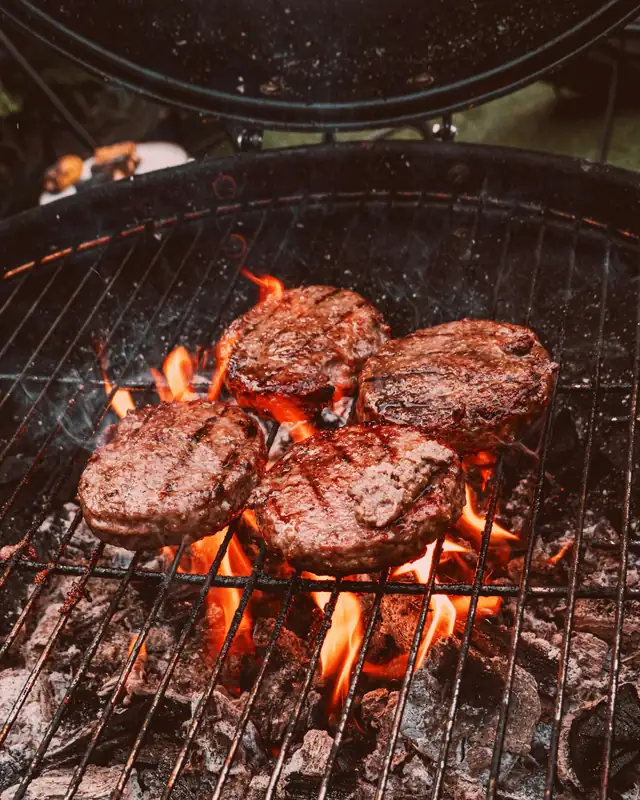
Buying guide
Best Charcoal Grills (Kettles and Kamados)
Kettles and kamados compared on airflow, ash handling, size and weight.
-
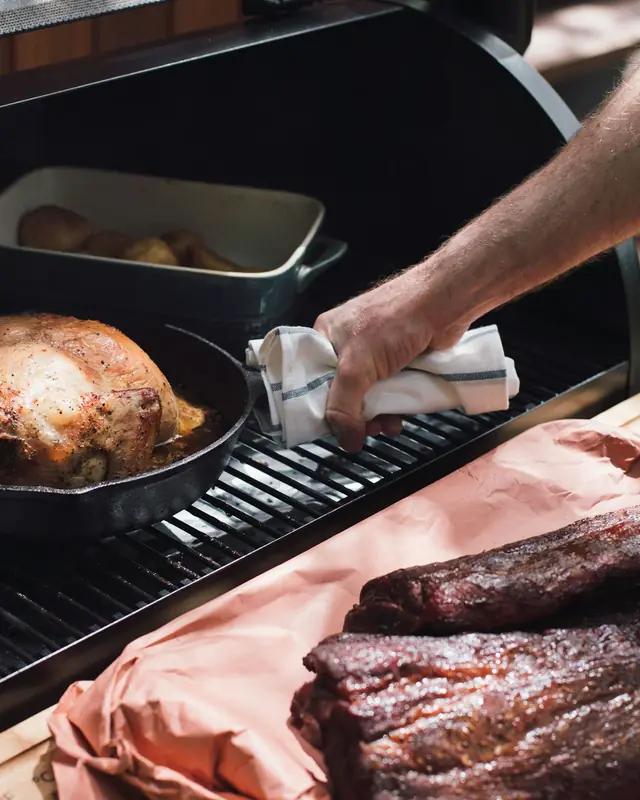
Comparison
Pellet Grill vs Gas Grill: Which Should You Buy?
Smoke and set-and-forget control, or fast heat and easy searing.
-
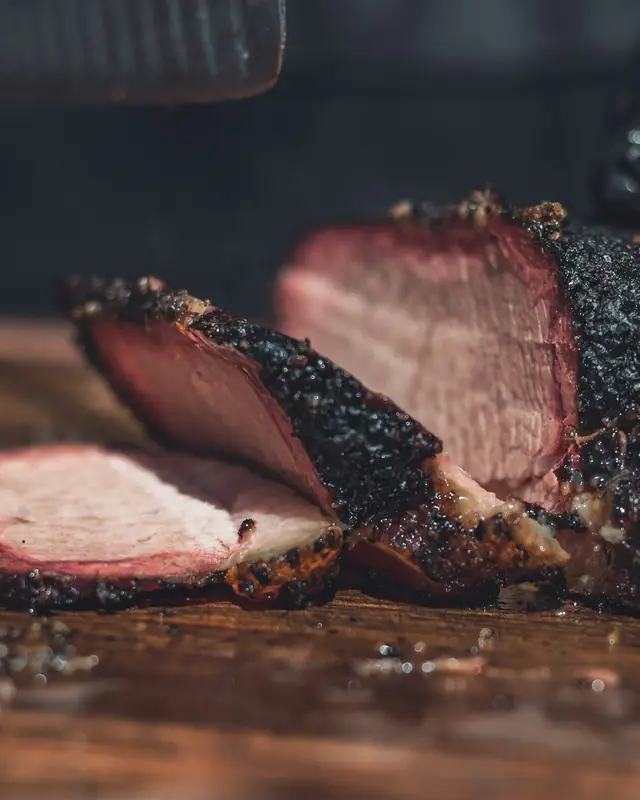
Guide
How to Smoke Meat: A Beginner's Guide (USDA-Safe)
The USDA smoker window, done temperatures and the safe way to start.
-
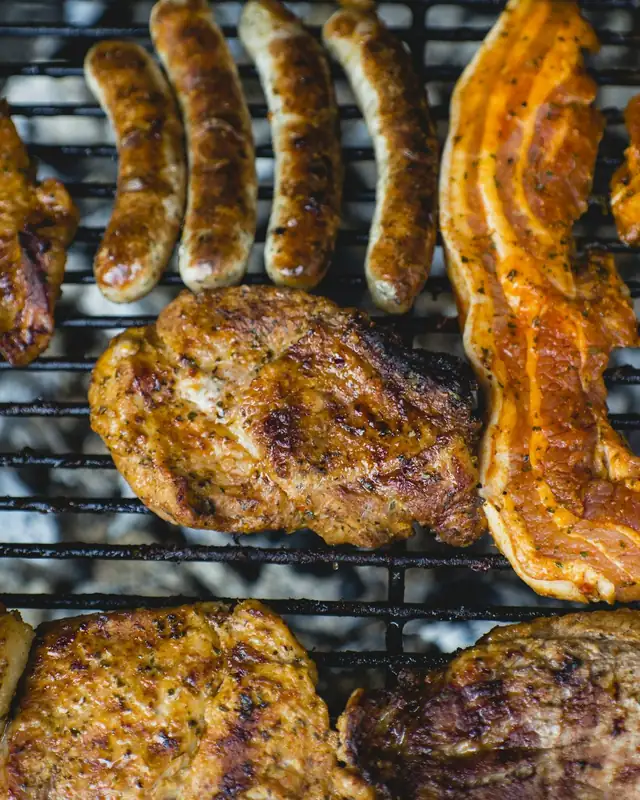
Guide
Grilling Temperature Chart: Safe Internal Temperatures for Every Meat
The USDA numbers for every meat, poultry and seafood, with rest times.


Get the Grill-Side Card
A printable card with the USDA safe temperatures and an 8-point pre-cook safety check. It costs nothing and is sized to stick on the fridge.