
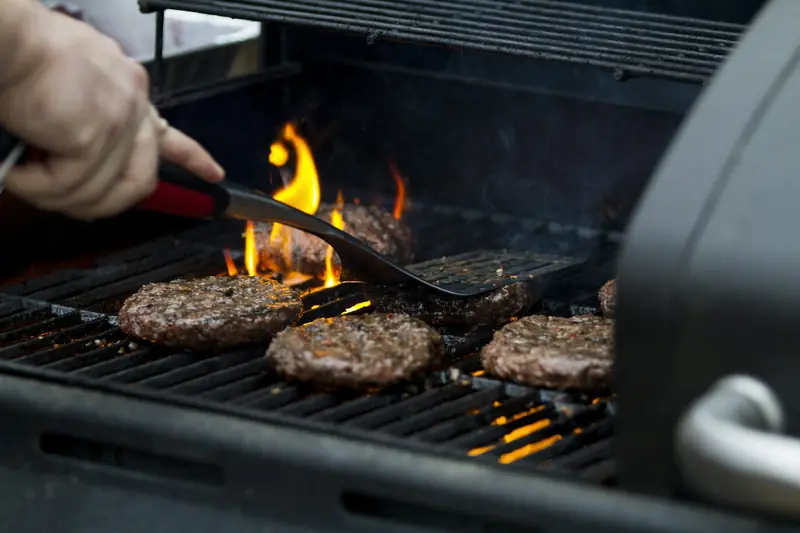
Charcoal vs Gas Grill: Flavor, Cost and Convenience
Charcoal and gas both cook a great burger. The difference is everything around the cook: how long it takes to get going, how you control the heat, what you clean up after, and which safety checks matter. Here is the comparison point by point.
Charcoal grill: the better choice if…
- You want live-fire flavor and very high direct heat.
- You enjoy managing a fire and do not mind a slower start.
- You want one grill that can also smoke with a little practice.
Gas grill: the better choice if…
- You want to light the grill and cook within minutes.
- You prefer adjusting heat with a knob.
- You want less ash and an easier cleanup.
Jump to section
At a glance
| Point | Charcoal grill | Gas grill |
|---|---|---|
| Lighting time | Coals ready in about 10 to 20 minutes (USDA FSIS) | Lights at once; preheat 10 to 15 minutes (Weber) |
| Heat control | Vents, coal placement | Burner knobs |
| Flavor | Live fire, easy to add wood | Clean heat; smoke only with a smoker box |
| Cleanup | Cooled ash in a lidded metal can | Grease tray and grates |
| Main safety check | Carbon monoxide: outdoors only | Soap-and-water leak test on the hose |
| Home grill fires (NFPA, 2007-2011 average) | About 1,400 a year | About 7,200 a year |
Flavor and heat
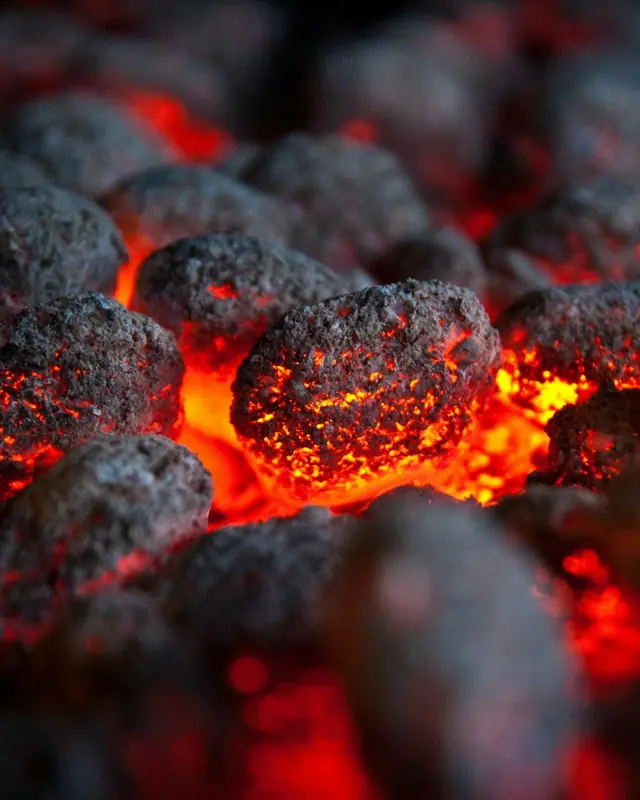
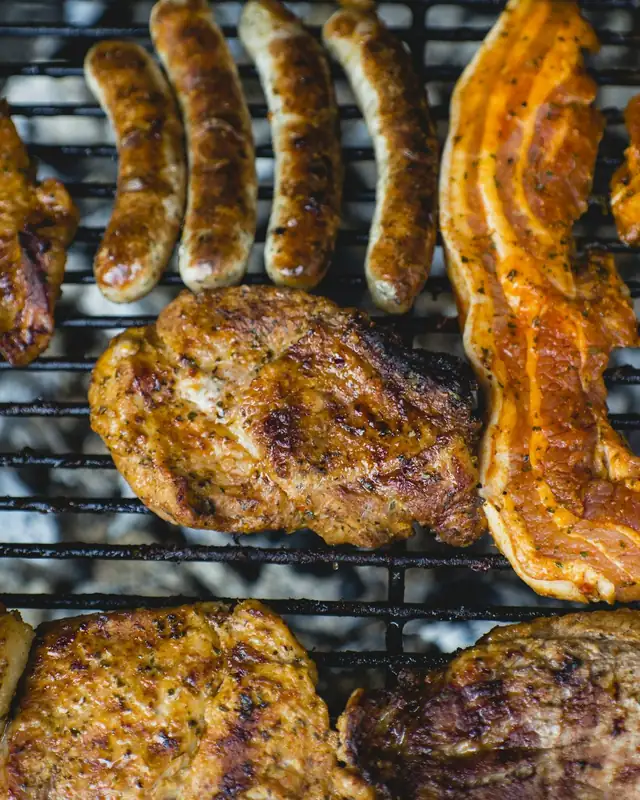
Charcoal gives you open live fire and makes it easy to throw wood chunks on the coals for smoke. Gas gives clean, even heat that you adjust instantly. Both sear well; with charcoal, you control heat by where you put the coals and how far the vents are open.
Lighting time
USDA FSIS says to let charcoal get red hot with gray ash, about 10 to 20 minutes, before cooking (USDA FSIS). A gas grill lights at the push of a button; Weber's routine is to preheat on high for 10 to 15 minutes (Weber). For safe charcoal lighting, NFPA suggests a chimney starter or an electric starter, and only charcoal starter fluid if you use fluid at all (NFPA via CT.gov).
Fuel and availability
Charcoal comes in bags and is sold almost everywhere grills are. Propane comes in refillable or exchangeable cylinders; natural gas needs a fixed line and a grill built or converted for it by the maker's kit. Fuel cost depends on local prices and how often you cook, so we do not quote figures.
Cleanup
Charcoal leaves ash. Let coals cool completely and dispose of them in a metal container with a lid; Massachusetts advises 48 hours of cooling, or soaking the ashes in water first (NFPA via ANSI; Mass.gov). Gas grills need the grease tray emptied regularly, because grease buildup is a fire risk.
Safety
Burning charcoal produces carbon monoxide, so CPSC says never to use it to cook or heat in enclosed areas such as garages or tents (CPSC). Gas grills need a soap-and-water leak test on the hose and connections; bubbles mean a leak (NFPA via CT.gov). In NFPA's older 2007-2011 data, gas grills were involved in about 7,200 home fires a year and charcoal grills in about 1,400 (NFPA via CT.gov). More households own gas grills (64% of grill owners against 44% for charcoal in HPBA's 2017 survey), so those counts are not a risk rate per grill (HPBA).
Which should you buy?
Pick charcoal if the fire is part of the fun and you want the most flavor for the money. Pick gas if speed and convenience decide whether you grill at all on a weeknight. Either way, our grilling temperature chart tells you when the food is done.
Alternatives
If you want smoke without tending coals, look at a pellet grill; our pellet grill vs gas grill comparison covers that choice.
FAQ
Does charcoal taste better than gas?
Many cooks prefer charcoal's flavor, and it makes adding wood smoke easy. Taste is personal, though; a well-cooked burger is good on either.
Is charcoal or gas safer?
Each has its own risk. Charcoal produces carbon monoxide, so use it outdoors only (CPSC). Gas needs leak checks on the hose and connections (NFPA via CT.gov).
How long do I wait before cooking on charcoal?
Wait for red-hot coals under a coat of gray ash, which FSIS puts at roughly 10 to 20 minutes (USDA FSIS).
Related
-
Buying guide
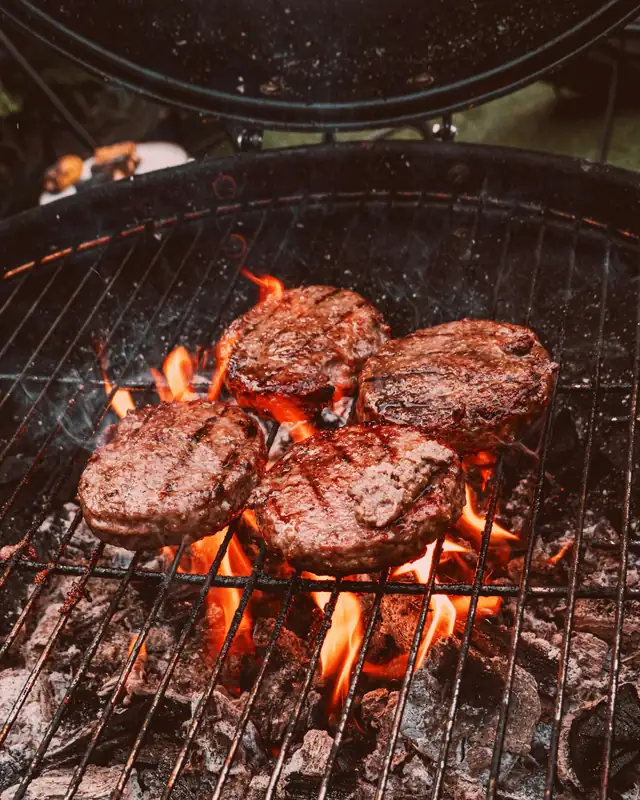
Best Charcoal Grills (Kettles and Kamados)
Kettles and kamados compared on airflow, ash handling, size and weight.
-
Buying guide
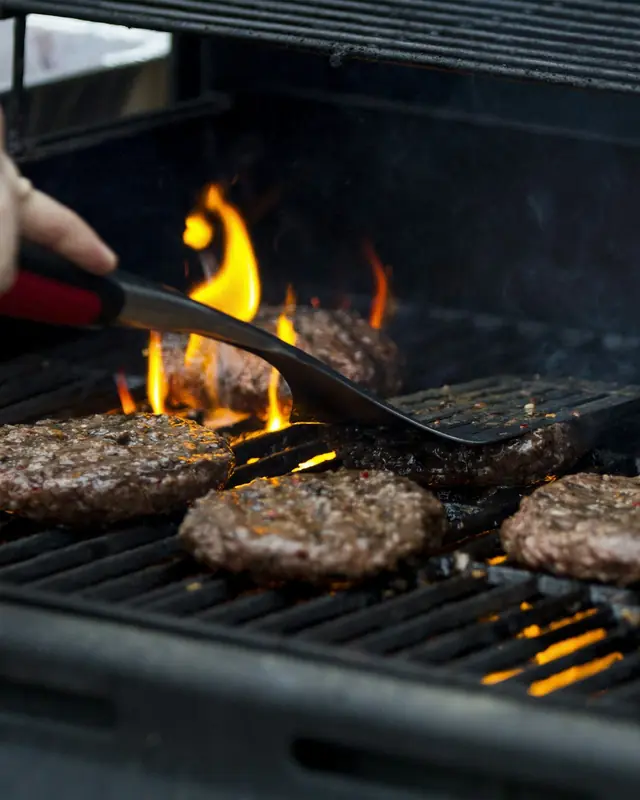
Best Gas Grills
Burners, cooking area, grates and warranty for propane and natural gas grills.
-
Comparison
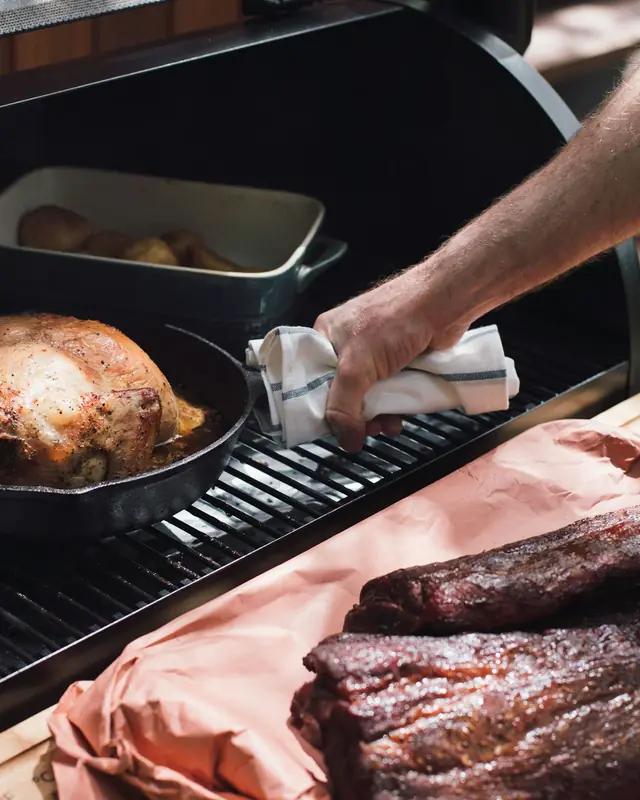
Pellet Grill vs Gas Grill: Which Should You Buy?
Smoke and set-and-forget control, or fast heat and easy searing.
-
Guide
Grill Safety: Placement, Propane Checks and Charcoal Rules
Placement, the propane leak test, charcoal rules and carbon monoxide.
-
Guide
Grilling Temperature Chart: Safe Internal Temperatures for Every Meat
The USDA numbers for every meat, poultry and seafood, with rest times.


Get the Grill-Side Card
A printable card with the USDA safe temperatures and an 8-point pre-cook safety check. It costs nothing and is sized to stick on the fridge.